The Benefits of Using a Water Tank Jacket

Protects Against Cold Temperatures

water tank jacket provides insulation for your water tank, protecting it from cold temperatures. This is especially important during the winter months when the temperature drops significantly. The jacket acts as a barrier, preventing the cold air from reaching the water inside the tank and keeping it at a stable temperature. By protecting against cold temperatures, the tank jacket helps to prevent freezing and damage to the tank.

Additionally, the insulation provided by the jacket helps to maintain the temperature of the water inside the tank, ensuring that it stays warm for longer periods. This is particularly beneficial if you rely on hot water for various purposes, such as bathing, cleaning, or cooking.

Prevents Heat Loss

Heat loss is a common problem in water tanks, especially those that are not properly insulated. Without insulation, the heat from the water inside the tank can easily escape, resulting in higher energy consumption and increased costs. However, by using a water tank jacket, you can prevent heat loss and improve the energy efficiency of your water tank.

The jacket acts as a thermal barrier, reducing the transfer of heat from the water to the surrounding environment. This means that the water inside the tank will stay warmer for longer periods, reducing the need for constant heating and saving energy. By preventing heat loss, the tank jacket helps to lower your energy bills and contribute to a more sustainable and eco-friendly home.

In addition to saving energy, preventing heat loss also prolongs the lifespan of your water tank. Constant exposure to cold temperatures can cause the tank to deteriorate over time, leading to leaks and other issues. By maintaining a consistent temperature with the help of a  tank jacket, you can minimize the strain on the tank and ensure its longevity.

Reduces Condensation

In the case of a water tank, condensation can be a problem as it can lead to the formation of mold, mildew, and other types of water damage. However, by using a tank jacket, you can reduce condensation and protect your tank from these potential issues.

The jacket acts as an insulating layer, preventing the cold air from coming into direct contact with the tank’s surface. This helps to minimize the temperature difference and reduce the likelihood of condensation forming. By reducing condensation, the tank jacket promotes a healthier and cleaner environment inside the tank, ensuring that the water remains safe and free from contaminants.

Furthermore, by reducing condensation, the tank jacket also helps to prevent corrosion. Excessive moisture and the presence of water droplets can accelerate the corrosion process, leading to damage and potential leaks in the tank. With a tank jacket, you can minimize the risk of corrosion and extend the lifespan of your water tank.

Enhances Thermal Insulation

Thermal insulation is crucial for maintaining the temperature of the water inside a tank. Without proper insulation, the heat from the water can easily escape, resulting in increased energy consumption and reduced efficiency. However, by using a tank jacket, you can enhance the thermal insulation of your tank and improve its overall performance.

The jacket is designed to provide an additional layer of insulation around the tank, reducing heat transfer and preventing temperature fluctuations. This means that the water inside the tank will stay at the desired temperature for longer periods, reducing the need for frequent heating and saving energy. The enhanced thermal insulation provided by the tank jacket also helps to maintain a more consistent temperature throughout the tank, ensuring that all the water is evenly heated.

Minimizes Risk of Corrosion

Corrosion is a common problem in water tanks, especially those that are exposed to moisture and harsh environmental conditions. Over time, corrosion can weaken the tank’s structure, leading to leaks and other issues. However, by using a tank jacket, you can minimize the risk of corrosion and ensure the longevity of your tank.

The jacket acts as a protective barrier, shielding the tank from moisture, humidity, and other corrosive elements. This helps to prevent the formation of rust and corrosion, keeping the tank in good condition. Additionally, the insulation provided by the jacket helps to regulate the temperature inside the tank, reducing the likelihood of condensation and further protecting against corrosion.

Improves Energy Efficiency

Energy efficiency is a key consideration for any homeowner, and using a water tank jacket can significantly improve the energy efficiency of your water tank. By reducing heat loss, enhancing thermal insulation, and preventing condensation, the jacket helps to minimize energy consumption and lower your utility bills.

With a  tank jacket, you can keep the water inside the tank at a consistent temperature for longer periods, reducing the need for frequent heating. This not only saves energy but also ensures a more reliable and efficient water heating system. Additionally, the reduced condensation and risk of corrosion contribute to the overall energy efficiency of the tank, as they help to maintain its performance and prevent unnecessary heat loss.

Mastering Efficiency: Exploring Heat Pump Technology and its Applications

Features of Water Tank Insulation Jackets and the Benefits of Purchasing Covers

To keep your body warm in the winter, you wear double cardigans, winter caps, socks, and gloves. Following that, you sleep under two blankets to keep your body warm. Why did you require more security? Yes, there is little heat loss against the radiator while warming water in the heater. If heat is lost during the method, it will take longer to heat water. Isn’t it true that the extra time spent heating results in the highest electricity bills? Insulation is the best way to reduce your energy costs. Let’s learn more about it. So, first, let’s define the term insulation and its associated conditions.

Water Tank Insulation Jacket Introduction

This insulation jacket, known as a water tank jacket, is wrapped around the water heater to keep it from overheating. It aids in controlling the temperatures of water kept in hot water. There are numerous Water tank insulation jacket manufacturers all over the world. They make jackets out of foil, fibreglass, sheets, and other materials. The type of stuff depends on the weather and the insulation required by your water heater. R-value, which measures thermal resistance, is used to calculate insulation. If it has a maximum R-value, it will provide extra padding.

The insulation material influences the R-value and is similar to the density and thickness. Choose the water jacket with the highest R-value for locations in the house where there is no climate control.

Why Should I Purchase a Water Tank Jacket?

Choose a water jacket based on the life of your water tank. If it is very old and loses a lot of heat, it is preferable to replace it; however, if it is preferable to go for a few more years, it is preferable to increase its age by insulating it with top water heater blankets. While covering the water heater, make sure not to wrap all of the LEDs at the heater that show the signs, power options, and the instruction manual on the radiator. These must be visible at all times. Check that the pipe connecting is also appropriate.

First, inspect the location where your tank is kept. If the tank is kept inside your home, you will need less insulation because the heat from the house helps control the temperature of the water. Extra insulating material is required if the water tank is stored on the lawn, garden, or in an open area. The type of insulating material you use is also determined by the climate of the area in which you are staying. As a result, the water tank jacket you choose is determined by the location of your tank.

Extra insulation is required if the temperature of the tank and the outside temperature vary. If the temperature difference between inside and outside is small, only one layer of water tank insulation may be installed. Installing hot water jackets and blankets is frequently the best option for maintaining heat and reducing the amount of wasted energy.

If you have no idea how to cover the water tank, contacting a local water tank jacket manufacturer is recommended. You can save money on water tanks by insulating them. Insulating water heaters prevent heat loss, which quickly turns hot water cold. As a result, when the water heats up quickly, it consumes less electricity. Water stored inside the tank remains hot due to water tank insulation.

Because of water tank insulation, water stored inside the tank remains hot for a longer period of time, which means that the heater does not need to be restarted because the rain kept the heater warm. Tank less water heaters are much more energy efficient and do not require any water jacket insulation.

Introduction:

In the realm of modern heating and cooling solutions, heat pump technology stands out as a beacon of efficiency and versatility. Harnessing principles similar to those found in refrigerators and air conditioners, heat pumps have revolutionized the way we approach temperature control in residential and industrial settings. In this comprehensive exploration, we delve into the intricacies of heat pump technology, its applications, and the fundamental processes that make it a superior choice for energy-conscious consumers.

Understanding Heat Pump Technology:

At its core, a heat pump operates by extracting heat from a designated source, such as the surrounding air, geothermal energy from the ground, or nearby water sources. This harvested heat is then amplified and transferred to where it is needed, offering a more efficient alternative to conventional heating technologies like boilers or electric heaters. The key advantage lies in the fact that heat pumps primarily transfer heat rather than generate it, making them not only cost-effective but also environmentally friendly.

The Efficiency Equation:

The efficiency of heat pumps is quantified by the Coefficient of Performance (COP), which represents the ratio of energy output (in the form of heat) to the electrical energy used to run the heat pump. For instance, a typical household heat pump boasts a COP of around four, meaning the energy output is four times greater than the electricity consumed. This level of efficiency surpasses traditional gas boilers by 3-5 times, highlighting the remarkable impact of heat pump technology on energy conservation.

Components of a Heat Pump System:

A heat pump system comprises two primary components: the compressor, responsible for moving a refrigerant through a refrigeration cycle, and a heat exchanger, which extracts and transfers heat. The heat pump’s versatility extends to its ability to connect with various heating systems, such as gas, in hybrid configurations, providing flexibility and adaptability to different setups.

Types of Heat Pumps:

There are two predominant types of heat pumps: air-source and ground-source (geothermal). Air-source heat pumps transfer heat between indoor and outdoor air, making them popular for residential heating and cooling. On the other hand, ground-source heat pumps leverage the consistent temperature of the ground throughout the year for enhanced efficiency, albeit with a higher initial installation cost.

How Heat Pumps Work:

Despite their name, heat pumps do not generate heat; instead, they redistribute heat from one location to another. In cooling mode, a heat pump absorbs heat from indoor air and releases it outdoors, while in heating mode, it extracts heat from the ground or outdoor air to warm indoor spaces. The ingenious reversal of the refrigerant flow, facilitated by a reversing valve, allows the heat pump to seamlessly switch between heating and cooling modes.

Optimal Conditions for Heat Pump Operation:

Heat pumps thrive in milder climates where temperatures don’t frequently drop below freezing. In colder regions, they can be combined with furnaces in dual fuel systems for energy-efficient heating, especially on extremely cold days. This flexibility makes heat pumps a viable solution across various climates, contributing to their widespread adoption.

Key Components of a Heat Pump System:

The outdoor unit of a heat pump system comprises a coil and a fan, serving as either a condenser or an evaporator depending on the mode (heating or cooling). The indoor unit, also known as the air handler unit, mirrors the outdoor unit’s components. Essential sub-components include the refrigerant, compressor, reversing valve, and expansion valve, all working in harmony to facilitate the heat transfer process.

Heat pump technology finds diverse applications across residential, commercial, and industrial sectors, offering a range of benefits that contribute to energy efficiency, cost savings, and environmental sustainability. Here are some key uses of heat pump technology:

Residential Heating and Cooling:

We are a market leader in the production of an excellent range of Water Tank Insulation Jacket.

The Benefits of a Water Tank Insulation Jacket

  • Stop watering in a water tank that is HEATED UP in the summer and FREEZING in the winter.
  • It saves electricity by reducing the use of geysers and submersible pump/chillers in the winter and summer, respectively.
  • Prevent dirt from entering the tank and maintain hygiene.
  • Saves your water tank from wear and tear caused by the elements, extending its life.

It is still in use. PVC with water Tanks exposed to ultraviolet rays, which are hazardous, come into contact with PVC and cause undesirable chemical reactions within the tank. The green cover keeps PVC water tanks from colliding and UV rays from reflecting backward.

The safe Aqua guard and RO system protects against wear and tear by varying the water temperature throughout the year. The green cover allows water to flow from RO systems and pressure pumps at a constant temperature throughout the year, protecting the RO system and pressure pump from wear and tear.

Reduces the cost of maintaining pressure pumps, solar geysers, RO systems, and other similar devices.

Because it is unaffected by moisture, humidity, or condensation, it does not require maintenance.

Lightweight, environmentally friendly, portable, and simple to install

In every season, enjoy bubbly water.

Water Tank Insulation Jacket Specifications

Installing it is simple, and you can design it yourself.

The water tank cover comes with installation instructions and tools. It’s simple to set up.

Material for Reflective Insulation

High-performance insulation was provided by the insulation material. Your tank is fully protected by the content. With these insulating jackets, one can feel secure.

Has a Very Long Life

The tank Insulation cover is durable and resistant to all weather conditions, and it requires no maintenance.

Increase the Life of Your RO Water Purifier

Hot water harms and shortens the life of a RO water purifier; this Shish water tank Insulation cover keeps water from becoming too hot, extending the life of the RO.

Stop Tank Decay

This Shish water tank Insulation jacket extends the life of the plastic tank by preventing degeneration and preventing dangerous chemical leaching into the water.

Year-Round Comfort: Heat pumps are widely used in residential settings for both heating and cooling purposes. In colder months, they extract heat from the outdoor air or ground and transfer it indoors, providing warmth. In warmer months, the process is reversed to cool indoor spaces, offering a versatile and energy-efficient solution for year-round comfort.

Hot Water Production:

Sanitary Hot Water: Heat pumps can be integrated with water tanks to produce sanitary hot water for domestic use. By utilizing ambient air or ground as a heat source, heat pumps efficiently heat water, reducing the reliance on traditional water heating methods and lowering energy consumption.

Hydronic Systems:

Radiant Heating and Underfloor Heating: Heat pumps can be seamlessly integrated into hydronic systems, which include radiant heating or underfloor heating. These systems distribute heat through water or a mixture of water and antifreeze, providing efficient and even heating for residential and commercial spaces.

Commercial and Industrial Heating:

Process Heating: In industrial applications, heat pumps are employed for process heating, delivering hot air, water, or steam as needed for various manufacturing processes. Large-scale heat pumps play a crucial role in commercial or industrial settings, providing efficient heating solutions for diverse applications.

District Heating Networks:

Community-Wide Heating: Heat pumps contribute to district heating networks, where a centralized system generates heat and distributes it to multiple buildings. This approach is environmentally friendly and cost-effective, especially when waste heat from industrial processes or data centers is utilized as a heat source.

Swimming Pool Heating:

Energy-Efficient Pool Heating: Heat pumps are favored for heating swimming pools, offering an energy-efficient alternative to traditional pool heaters. By extracting heat from the surrounding air, they can effectively raise the water temperature, extending the swimming season while minimizing energy costs.

Geothermal Heating and Cooling:

Ground-Source Heat Pumps: Geothermal heat pumps leverage the consistent temperature of the ground for heating and cooling purposes. These systems are particularly efficient and have a lower operating cost over the long term, making them a preferred choice in areas where geothermal resources are viable.

Hybrid Heating Systems:

Combining Technologies: Heat pumps can be integrated into hybrid heating systems, working in conjunction with traditional heating methods, such as gas furnaces. This allows for optimal efficiency, with the heat pump operating in mild conditions and the auxiliary heating system kicking in during extreme temperatures.

Energy-Efficient HVAC Systems:

Integrated Heating and Cooling: Heat pump technology has become an integral part of modern HVAC systems, offering an all-in-one solution for heating, ventilation, and air conditioning. These systems provide energy efficiency, reduced carbon footprint, and simplified control of indoor climate conditions.

Environmental Benefits:

Reduced Carbon Emissions: By utilizing renewable or ambient heat sources, heat pumps contribute to reducing reliance on fossil fuels. This transition to cleaner energy sources helps decrease carbon emissions, aligning with global efforts to combat climate change and promote sustainability.

Conclusion:

In conclusion, heat pump technology emerges as a transformative force in the realm of heating and cooling solutions. Its efficiency, adaptability to different climates, and environmentally conscious operation make it a compelling choice for modern consumers. From extracting heat from diverse sources to providing year-round comfort, heat pumps have established themselves as a cornerstone in the pursuit of energy-efficient and sustainable living. For those seeking a reliable and knowledgeable partner in embracing heat pump technology, turning to local Carrier experts ensures a seamless transition to a more efficient and environmentally friendly heating and cooling solution.

Heat Pump Water Heater


ILIOS Heat Pump Water Heaters: The Key to Energy-Saving

Nowadays, modern households are crammed with a plethora of electronic appliances. However, little consideration is given to its environmental impact.

Given the rapid rise in global warming, it is critical that you make wise lifestyle choices that contribute to nature conservation. Switching to eco-friendly appliances is one of the best ways to live a more sustainable lifestyle. The market today has seen an influx of water heaters, each with a unique operating mechanism. As a consumer, you have a plethora of options, including electric, solar, gas, and heat pump water heaters. Cost and energy efficiency are important deciding factors when choosing a water geyser.

ILIOS has committed to promoting a greener future through our products. As we continue to develop such products, we’d like to draw your attention to one such water heater: the Heat Pump.
Water heating accounts for approximately 17% of total energy consumed in a household, according to the Department of Energy. Taking this into consideration, we introduced heat pump water heaters to promote energy conservation.

ILIOS heat pump water heaters are ideal for energy conservation because they use very little electricity. They can help you save up to 70% more energy than traditional water heaters. As a result, they result in lower bills as well as lower carbon footprints.

A heat pump water heater is a remarkable water heating solution that works by transferring heat energy from the surrounding environment. A heat pump water heater, as opposed to a traditional water heater, uses electricity to move heat from the atmosphere to water in the storage tank rather than generating heat directly through an electric heating element.

The reverse Carnot-cycle governs the operation of a heat pump water heater. It extracts heat from the air using a refrigerant, which is then transferred to the water inside the heat pump, heating it.

This one-of-a-kind working mechanism reduces the use of electricity, resulting in greater savings.
Key Features of Heat Pump Water Heaters that help you to Save Electricity

At ILIOS, we consider it our responsibility to promote energy conservation and contribute to a greener future. As a result, we have included advanced features in all of our geysers to maximise energy efficiency.

In this section, we will show you the key features of our heat pump water heater that allow you to save energy. So, let’s get started!

Heat pump technology provides comfort Heat pumps use solar energy extracted from the atmosphere to heat water. They are similar to solar water heating systems in this regard; the difference is that the energy required to heat water is extracted from the atmosphere rather than from direct sunlight. This enables the heat pump to run all year long, regardless of the weather.

When it’s well below zero outside, you’d rather be inside in a warm room. This outdoor air source heat pump has no trouble keeping your home warm and cozy. Even when the temperature drops below freezing, it maintains peak efficiency. The appliance can also be used to heat traditional radiators due to the high flow temperatures.

Compressor with high efficiency

We used a high-efficiency compressor in the ILIOS heat pump water heater. It enables a more rapid and efficient exchange of heat, providing you with more hot water and additional savings.

Isolated Safe Condenser

The condenser’s high-temperature refrigerant transfers heat to the water that circulates across the heat exchanger. During the process, the refrigerant changes phases and becomes a liquid. Heat pumps move a lot of heat by changing the pressure of the refrigerant, especially at the condenser. This ensures maximum safety and superior heat conduction to save energy.

What else? The heat pump water heater can be combined with any existing solar water heating system to operate as a 24×7 hybrid water heating system, resulting in overall savings.

ILIOS heat pump water heaters have been designed to save energy in general. They assist you in conserving energy and living a more sustainable lifestyle. You accumulate surplus savings for the future. So, no more waiting. Explore the best heat pump water heaters in India on our website.

Ilios Water Tank Insulation Jacket

Features of Water Tank Insulation Jackets and the Benefits of Purchasing Covers

To keep your body warm in the winter, you wear double cardigans, winter caps, socks, and gloves. Following that, you sleep under two blankets to keep your body warm. Why did you require more security? Yes, there is little heat loss against the radiator while warming water in the heater. If heat is lost during the method, it will take longer to heat water. Isn’t it true that the extra time spent heating results in the highest electricity bills? Insulation is the best way to reduce your energy costs. Let’s learn more about it. So, first, let’s define the term insulation and its associated conditions.

Water Tank Insulation Jacket Introduction

This insulation jacket, known as a water tank jacket, is wrapped around the water heater to keep it from overheating. It aids in controlling the temperatures of water kept in hot water. There are numerous Water tank insulation jacket manufacturers all over the world. They make jackets out of foil, fibreglass, sheets, and other materials. The type of stuff depends on the weather and the insulation required by your water heater. R-value, which measures thermal resistance, is used to calculate insulation. If it has a maximum R-value, it will provide extra padding.

The insulation material influences the R-value and is similar to the density and thickness. Choose the water jacket with the highest R-value for locations in the house where there is no climate control.

Why Should I Purchase a Water Tank Jacket?

Choose a water jacket based on the life of your water tank. If it is very old and loses a lot of heat, it is preferable to replace it; however, if it is preferable to go for a few more years, it is preferable to increase its age by insulating it with top water heater blankets. While covering the water heater, make sure not to wrap all of the LEDs at the heater that show the signs, power options, and the instruction manual on the radiator. These must be visible at all times. Check that the pipe connecting is also appropriate.

First, inspect the location where your tank is kept. If the tank is kept inside your home, you will need less insulation because the heat from the house helps control the temperature of the water. Extra insulating material is required if the water tank is stored on the lawn, garden, or in an open area. The type of insulating material you use is also determined by the climate of the area in which you are staying. As a result, the water tank jacket you choose is determined by the location of your tank.

Extra insulation is required if the temperature of the tank and the outside temperature vary. If the temperature difference between inside and outside is small, only one layer of water tank insulation may be installed. Installing hot water jackets and blankets is frequently the best option for maintaining heat and reducing the amount of wasted energy.

If you have no idea how to cover the water tank, contacting a local water tank jacket manufacturer is recommended. You can save money on water tanks by insulating them. Insulating water heaters prevent heat loss, which quickly turns hot water cold. As a result, when the water heats up quickly, it consumes less electricity. Water stored inside the tank remains hot due to water tank insulation.

Because of water tank insulation, water stored inside the tank remains hot for a longer period of time, which means that the heater does not need to be restarted because the rain kept the heater warm. Tank less water heaters are much more energy efficient and do not require any water jacket insulation.

We are a market leader in the production of an excellent range of Water Tank Insulation Jacket.

The Benefits of a Water Tank Insulation Jacket

  • Stop watering in a water tank that is HEATED UP in the summer and FREEZING in the winter.
  • It saves electricity by reducing the use of geysers and submersible pump/chillers in the winter and summer, respectively.
  • Prevent dirt from entering the tank and maintain hygiene.
  • Saves your water tank from wear and tear caused by the elements, extending its life.

It is still in use. PVC with water Tanks exposed to ultraviolet rays, which are hazardous, come into contact with PVC and cause undesirable chemical reactions within the tank. The green cover keeps PVC water tanks from colliding and UV rays from reflecting backward.

The safe Aqua guard and RO system protects against wear and tear by varying the water temperature throughout the year. The green cover allows water to flow from RO systems and pressure pumps at a constant temperature throughout the year, protecting the RO system and pressure pump from wear and tear.

Reduces the cost of maintaining pressure pumps, solar geysers, RO systems, and other similar devices.

Because it is unaffected by moisture, humidity, or condensation, it does not require maintenance.

Lightweight, environmentally friendly, portable, and simple to install

In every season, enjoy bubbly water.

Water Tank Insulation Jacket Specifications

Installing it is simple, and you can design it yourself.

The water tank cover comes with installation instructions and tools. It’s simple to set up.

Material for Reflective Insulation

High-performance insulation was provided by the insulation material. Your tank is fully protected by the content. With these insulating jackets, one can feel secure.

Has a Very Long Life

The tank Insulation cover is durable and resistant to all weather conditions, and it requires no maintenance.

Increase the Life of Your RO Water Purifier

Hot water harms and shortens the life of a RO water purifier; this Shish water tank Insulation cover keeps water from becoming too hot, extending the life of the RO.

Stop Tank Decay

This Shish water tank Insulation jacket extends the life of the plastic tank by preventing degeneration and preventing dangerous chemical leaching into the water.

Modernize Your House With Smart & Innovative Technology

The most significant component of living in a smart home is having quick access to everything in your home, which increases your convenience. It relieves you of a lot of tasks while still allowing you to maintain control. Purchasing the gear and technology necessary to create your smart home is costly. So, before you make this practically irreversible commitment, you need first grasp the importance of a smart home in your life.

Having a smart house is like living with a very smart and perceptive man named Friday. If you’re concerned about leaving the motor running or the geyser running after you’ve left the house, a smart home will detect the hazard and shut it down before it explodes.

With the help of smart technology, your life at home is made frictionless, from your smart fridge knowing when your milk is running low and putting an order for more to your washing machine working without urging.

But what about Automation Panel?

Automation panels have proven to be one of the most disruptive technical advancements in recent times, and it isn’t going away anytime soon. With significant advancements in the Internet of Things (IOT) sphere, the smart home automation panel continues to flourish. These futuristic devices are slowly making their way into our homes, allowing us to take complete control of water, temperature, and even protection features at the touch of a button, thanks to a refined range of home automation solutions.

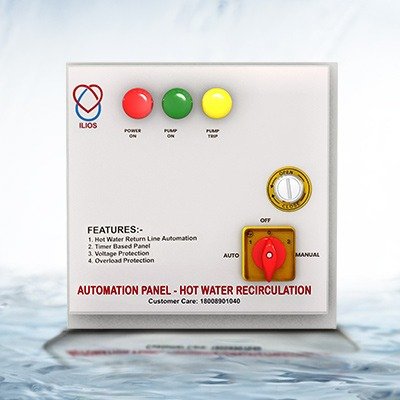
Most of these house activities are now easily controlled by automated technology thanks to the emergence of automation panels such as Hot Water Recirculation Line automation. This technology-based control panel uses a timer to regulate the operating and timing of the hot water recirculation pump in order to maintain water temperature wherever it is needed in the building. This Smart Recirculation Control panel is a “On-Demand” smart hot water recirculating pump controller for homes that have a dedicated recirculation loop.

The Smart Recirculation Control controller recognizes hot water extraction from any plumbing fixture and runs the recirculation pump until the water in the recirculation loop is hot. This automated control panel has everything you’ll need to keep your hot water pump running smoothly. The dual temperature sensor system uses the differential to determine when to turn the pump on and off, so it doesn’t matter what temperature your water heater is set to.

Automated Controls

Smart Mode — There are two working modes on the ILIOS Automation Panel: “Smart” and “Pulse.” Set the toggle switch on the control board to the desired mode, and the ILIOS Automation Panel will take care of the rest! The pump never needs to be reset, and pump operation is not controlled by a TIMER OR AQUASTAT. Because it is a timer-based panel, hot water is always accessible in seconds.

The ILIOS Automation Panel in Action

The ILIOS Automation Panel Hot Water Recirculation will monitor and record the home’s hot water usage trend for the first 7 days of operation using cutting-edge electronics. The ILIOS Automation Panel cycles the pump for the next 7 days based on the previous week’s usage pattern, supplying fast hot water to all fixtures alone. The ILIOS Automation Panel cycles the pump for the following 7 days, supplying immediate hot water at all fixtures only when needed, based on the previous week’s usage pattern. Every week, the process will be repeated.

Pulse Mode — An optional “Pulse” mode can be selected, which causes the ILIOS Automation Panel to run for the specified time every 10 minutes, keeping all fixtures hot.

Function During Vacation

The pump will automatically turn off after 36 hours of idleness and remain off until hot water demand is detected again.

Exercise Purpose

To avoid corrosion or scale accumulation, the pump will cycle on once every 7 days and run for 10 seconds while in vacation mode.

The Smart Recirculation Control is all you’ll need to keep your hot water pump running smoothly. It doesn’t matter what temperature your water heater is set at since the dual temperature sensor system uses the difference to determine when to turn the pump on and off.

SAVE YOUR PLUMBING WITH THE SMART RECIRCULATION CONTROL. PLEASE BE AWARE OF THIS! Continuously running a recirculation pump will corrode the copper piping in your home, resulting in pin-hole leaks and the need to replace the entire hot water supply system! This is not a tiny sum of money. By converting your recirculation pump into an on-demand hot water pump, the Smart Recirculation Control helps you avoid this expense. Because the Smart Recirculation Control determines when to activate the pump based on the demand for hot water, it works even when your washing machine or dishwasher requires hot water. Unlike other on-demand hot water systems, no switches or sensors must be installed at each faucet site, and no wires or wireless transceivers must be maintained.

The Smart Recirculation Control additionally includes a series of “Smart Timers” TM for scheduling the heating of the recirculation loop. The Smart Recirculation Control, on the other hand, only runs the pump until the loop is heated up, thanks to the dual temperature sensor design. If the controller does not detect a hot water draw within 24 hours, the “Smart Timers” TM are disengaged.

To live a sustainable lifestyle, mart home automation makes us think on our behaviours and corrects our mistakes. This is primarily why, in the future, automation will become a way of life to live.

More than simply adapting to changes, smart home automation emphasises the importance of a lifestyle transformation that will allow us to stop taking nature for granted. The introduction of 5G, on the other hand, will catapult the smart home automation market to new heights. Selecting home automation technology from a respectable and reliable brand is a crucial role that consumers should play. Smart home solutions have become more straightforward and accessible as a result of consolidating everything onto a single platform.